Fundamentals of Humbest360 - BODY

Strong . Active . Disciplined

Education is still too often reduced to books, homework, exams, and marks. But today’s child needs far more than subject recall.

They need confidence, thinking ability, discipline, values, adaptability, communication, and digital readiness. Yet most schools still operate through rote learning, exam pressure, and fragmented development.

That is the real crisis: children may pass through school, yet still remain underprepared for life.

BODY in HUMBEST360

The Foundation for a Strong Mind and a Stronger Life

In HUMBEST360, Body, Mind, and Soul work as one system:

  • Body fuels energy, readiness, and self-control.
  • Mind directs learning, thinking, and decision-making.
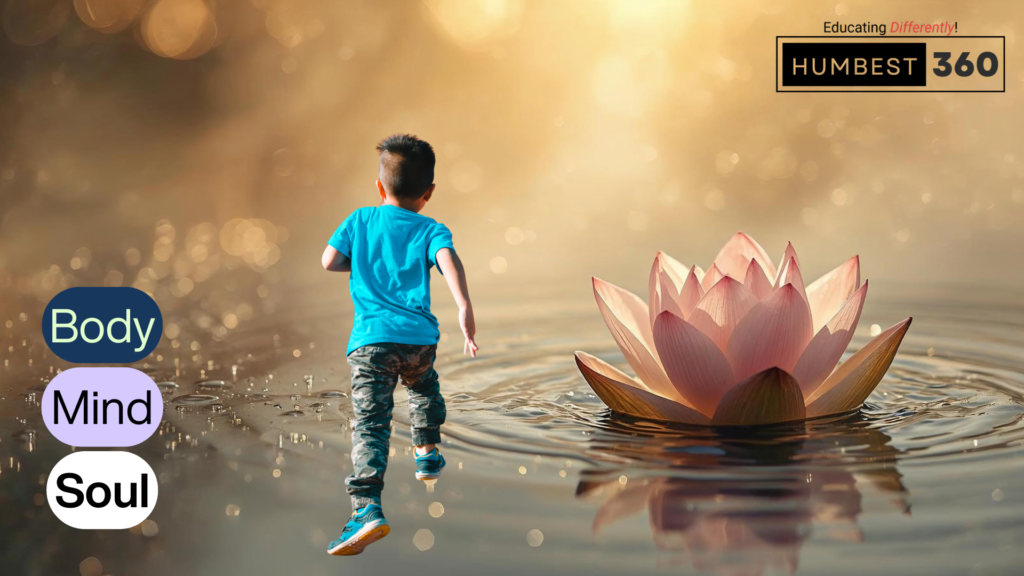
  • Soul anchors purpose, values, and character.
    •  

Why BODY Matters ​

Early School are a critical window to Impact Body
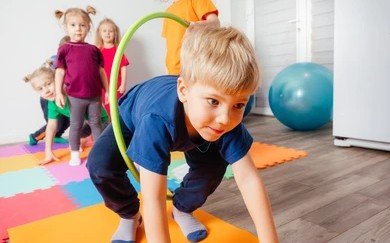
  • The child’s body is learning movement control, not just movement

  • Motor development builds the foundation for classroom performance

  • Physical play develops self-regulation: stopping, waiting, retrying, staying calm after losing

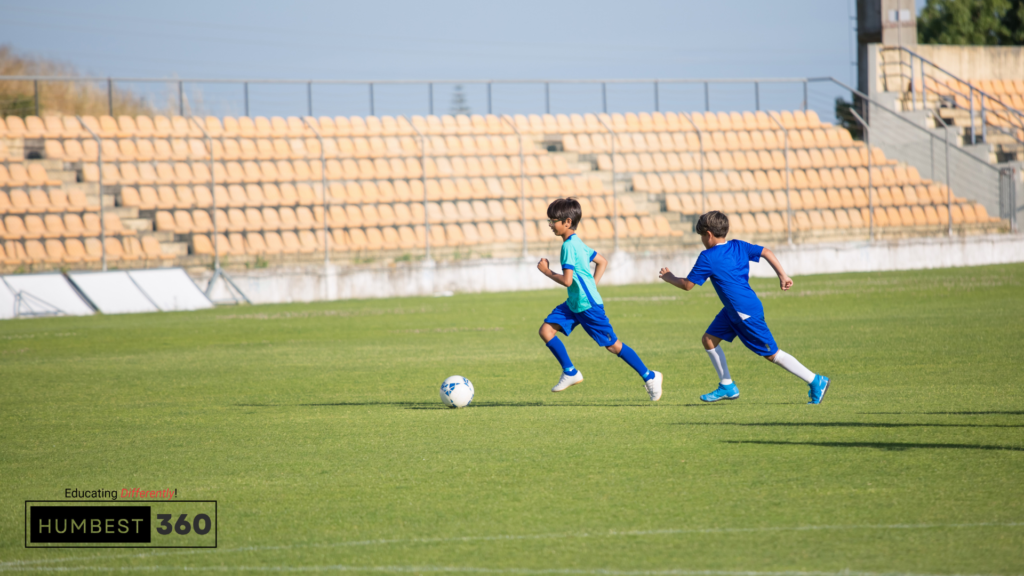
  • Team games train cooperation, patience, sharing, and leadership

Advantage of Fit Body

How Body play role in learning
  • Better alertness and energy regulation (“more oxygen to the brain”)

  • Better coordination across both sides of the body (“left-right brain”)

  • Stronger attention control and task persistence (“focus and concentration”)

  • Improved working memory through pattern and rule-based play (“memory training”)

  • Improved flexibility in thinking under game pressure (“critical thinking under pressure”)

How to Train BODY​

5 Aspects to Train
  • Strength & Stamina: age-appropriate endurance and body control

  • Balance & Coordination: stability, control, hand–eye skills

  • Agility & Mobility: turning, pivoting, lateral movement, safe direction changes

  • Posture & Core Stability: healthy spine habits and controlled movement

  • Healthy Habits: sleep discipline, daily movement, basic hygiene routines

Physical fitness with constraints

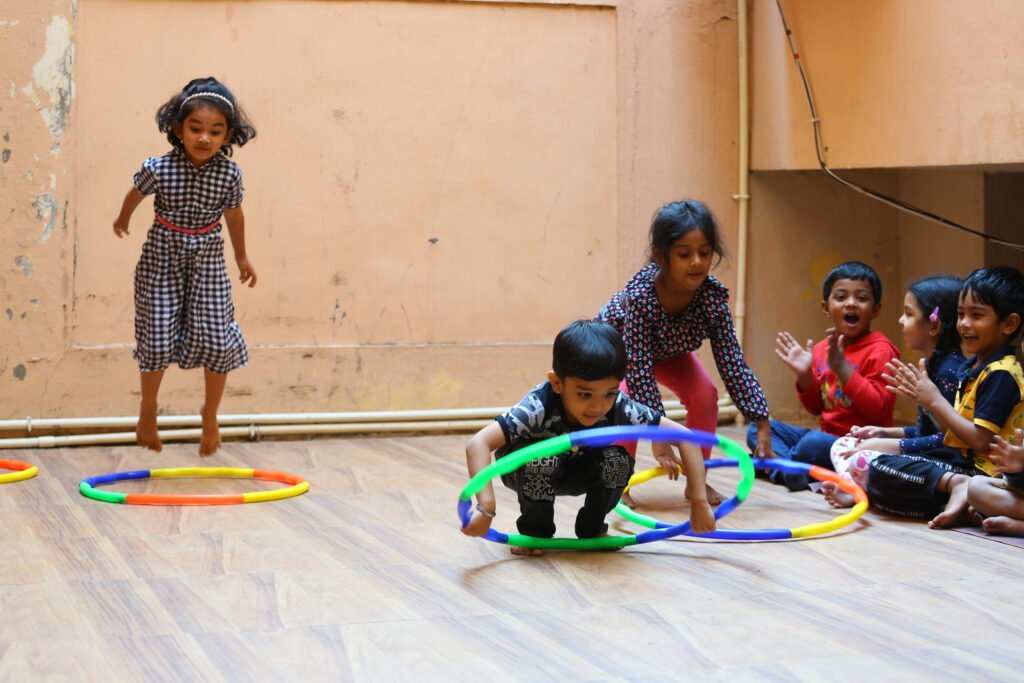
Indoor Physical activities
  • Works in classrooms, corridors, and courtyards

  • Needs minimal space, minimal equipment

  • Designed for mixed-ability children (no child left behind)

  • Safe routines with gradual progression

  • Practical for teacher workload and class strength

  • Built for local realities: limited grounds, weather, time pressure, tight timetables

Physical Games VS Exercise

Structured Learning through Games
  • Children follow rules, take turns, and control impulses

  • They learn to lose, recover, and try again

  • They practice observation, timing, and fast decision-making

  • They learn teamwork, cooperation, and leadership naturally

YEM - Year End Milestone

Why YEM matters:
  • More active, more alert, more teachable

  • More confident in participation

  • Stronger self-control and patience

  • Better readiness for learning and creativity

  • More resilient under pressure and challenge

How Trained Body Imapcts

A trained body is easier to educate:
  • What isn’t measured is usually ignored

  • It creates consistency across teachers and campuses

  • It helps parents understand progress in a concrete way

  • It shifts physical training from “random activity” to a structured system