Fundamentals of Humbest360 - MIND
Sharp. Curious. Skilled
In HUMBEST360, the mind is not “books only.” It is language, numbers, curiosity, thinking games, creativity, and tech-readiness — trained through fun routines.
MIND in HUMBEST360
The engine of learning, confidence, and future skills
Body, Mind, and Soul work as one system.
A trained mind learns faster, focuses longer, and behaves better.
We build the base for all subjects + thinking power.

Learning is activity-first, not cramming-first.
Why MIND Matters
Early Classes Brain’s “foundation window”
Attention, memory, and language grow rapidly at this age.
Early thinking habits become lifelong habits.
Curiosity must be protected (not crushed by fear of mistakes).
Strong basics now = confidence later in higher classes.
What we Train in Mind
5 domains, trained through fun micro-activities
Language Power (English + Urdu)
speaking, vocabulary, reading readiness, story sense
Number Sense (Math + Verbal Math)
mental number play, patterns, fast thinking (age-appropriate)
Curiosity Science (early Science)
“how it works” thinking, observation, simple experiments
Meaning & Values (Islamyat + Prophet Stories + SST basics)
manners, truthfulness, role models, belonging, purpose
Thinking Games & Creativity
puzzles, quizzes, drawing, sequencing, building projects
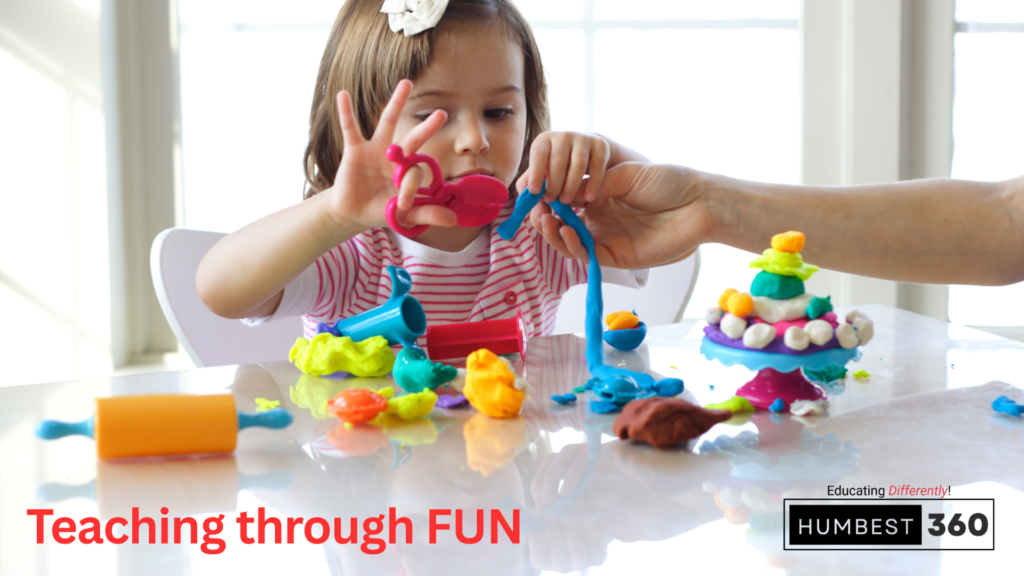
Teaching Through FUN
Play-based, structured, and repeatable
Short activity cycles: Listen → Try → Play → Repeat
Kids learn through stories, rhythm, imagination, and games
Safe failure: mistakes are treated as learning steps
Designed for classrooms: minimal space, simple resources
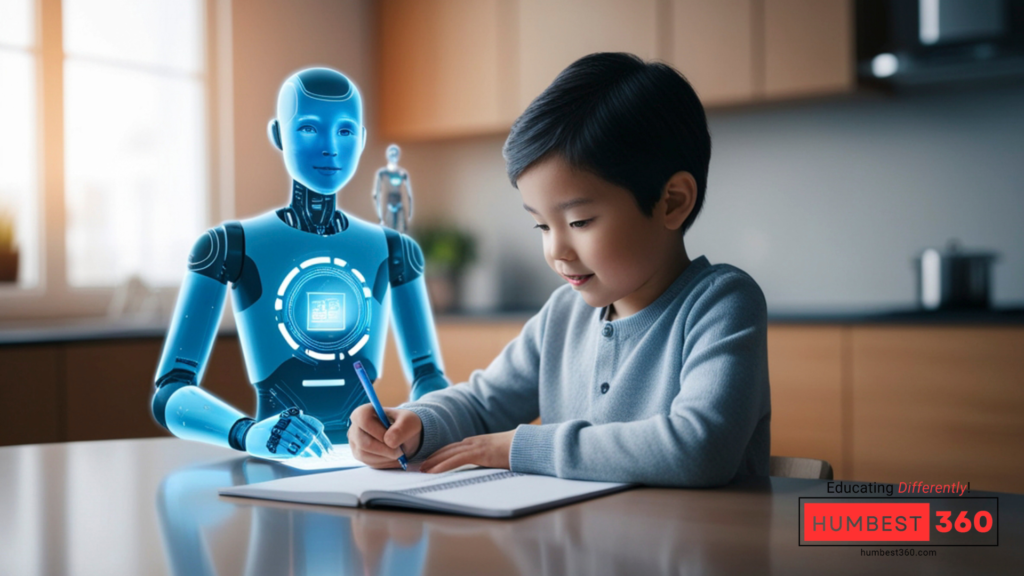
Computer + AI Readiness
Basic digital confidence through mental coordination & focus games & activities (devices, icons, safe use habits)
Guided tools for creativity (drawing, voice, simple learning apps)
Problem-solving mindset: “I can figure it out”
Parents stay informed: what we use, why we use it
YEM – Year End Milestones
How we prove progress (not promises)
What isn’t measured is usually ignored.
YEMs show exactly what Students will learn in different classes.
Helps parents compare: “Where is my child now?”
Creates consistency across teachers and campuses.
How a Trained Mind Changes a Child
A strong mind is easier to educate
Better attention and listening
Quicker understanding and recall
Stronger confidence and communication
Improved classroom behavior (self-control)
More curiosity, creativity, and leadership